Protection Film in Dearborn Heights, MI

Navigating Dearborn Heights, MI roadways exposes automotive paint to relentless environmental and physical hazards throughout every season. Harsh winter weather brings heavy road salt, coarse gravel, and magnesium chloride de-icing compounds across major Dearborn Heights, MI roadways. During warmer months, highway construction zones launch loose asphalt and sharp gravel directly into vehicle front fascias, leading to permanent paint chipping and clear coat erosion.
Paint protection film, commonly known as PPF or clear bra, serves as a high-durability thermoplastic polyurethane shield applied directly to painted vehicle panels. Unlike traditional waxes or standard ceramic coatings, a physical urethane film absorbs impact energy from kicked-up rocks and debris, preventing direct damage to the factory clear coat beneath.
At TintedAF, serving vehicle owners from locations in Dearborn Heights and Sterling Heights, our advanced paint Protection Film in Dearborn Heights, MI is engineered for Midwestern climate conditions. Investing in transparent urethane protection preserves vehicle aesthetics, stops oxidation caused by chemical de-icers, and retains maximum vehicle resale value.
Table of Contents
Jump directly to any section of this comprehensive service guide.
The Mechanics of Thermoplastic Polyurethane Defense
Applying modern paint Protection Film in Dearborn Heights, MI relies on advanced elastomeric polymers that deliver both incredible tensile strength and remarkable flexibility. When gravel or flying road debris strikes a vehicle panel, the flexible urethane layer compresses to absorb and disperse the impact energy rather than allowing the force to chip the brittle factory paint.
A primary technical attribute of high-performance PPF is its specialized self-healing topcoat. This elastomeric layer reacts to ambient warmth or direct sunlight, allowing light swirl marks, surface scratches, and wash marring to reseal autonomously over time.
Additionally, premium protection films incorporate ultraviolet inhibitors within the polymer layers to prevent optical yellowing, delamination, and degradation caused by extended sun exposure.
- 1High-tensile polyurethane core designed to disperse kinetic impact energy.
- 2Self-healing top surface that resolves minor scratches under natural sunlight or warm water.
- 3Optical clarity that enhances paint gloss without altering the factory paint color.
- 4Chemical resistance against road salts, bird droppings, tree sap, and environmental fallout.
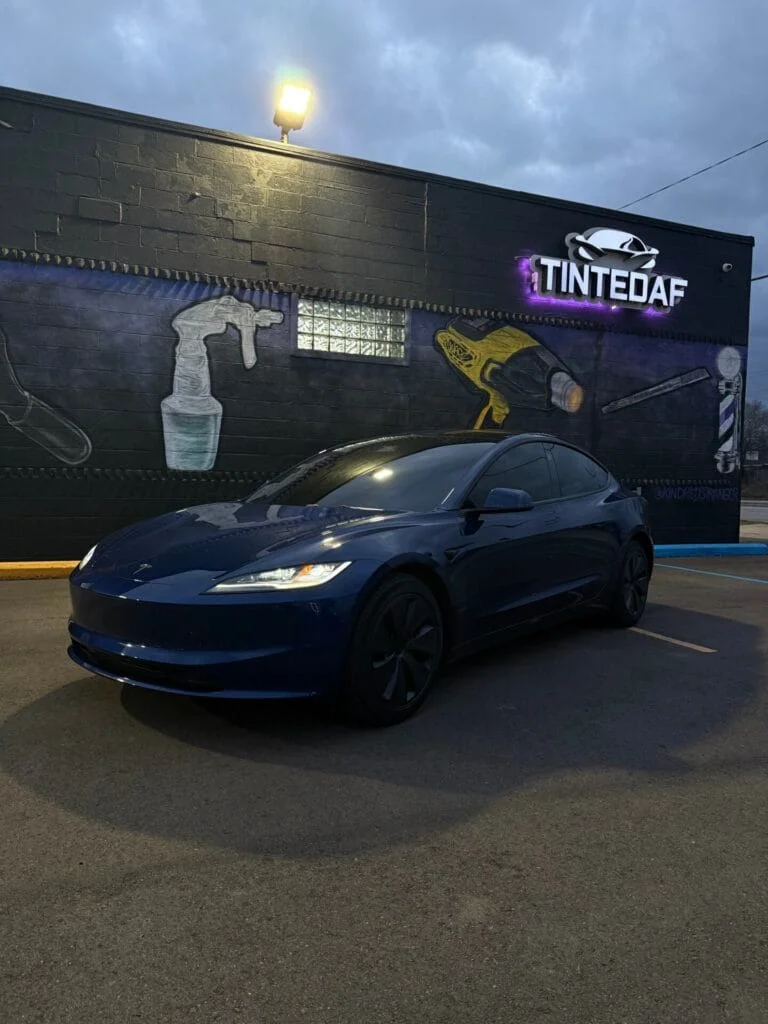
Combating Winter Road Salt and Dearborn Heights, MI Road Hazards
Winter driving across Metro Detroit presents severe hazards to exterior vehicle paint finishes. Municipal road maintenance crews utilize rock salt, sand grit, and liquid de-icing brines to clear local roads and expressways.
These abrasive materials become suspended in road spray, sandblasting vehicle front bumpers, lower rocker panels, and wheel arches during routine daily commutes.
Chemical road de-icers can seep into untreated rock chips and hairline scratches, accelerating metal oxidation and causing corrosion beneath the clear coat over prolonged winter seasons.
Installing paint protection film creates an impenetrable barrier against corrosive winter chemicals and abrasive salt grit, keeping underlying sheet metal and composite panels completely isolated from seasonal road hazards.
Comparing Coverage Packages: Partial Front, Full Front, and Full Vehicle
Vehicle owners can select from various paint protection film coverage packages based on their daily driving exposure, vehicle type, and budget considerations. Understanding coverage levels helps ensure critical impact zones receive adequate defense.
The partial front package covers the most vulnerable forward-facing areas, including the front bumper cover, the front section of the hood, partial front fenders, and exterior side mirror caps.
A full front package represents the most popular choice for daily commuters, wrapping the entire hood, full front fenders, bumper, mirror caps, and headlights to eliminate visible line demarcations across the front clip.
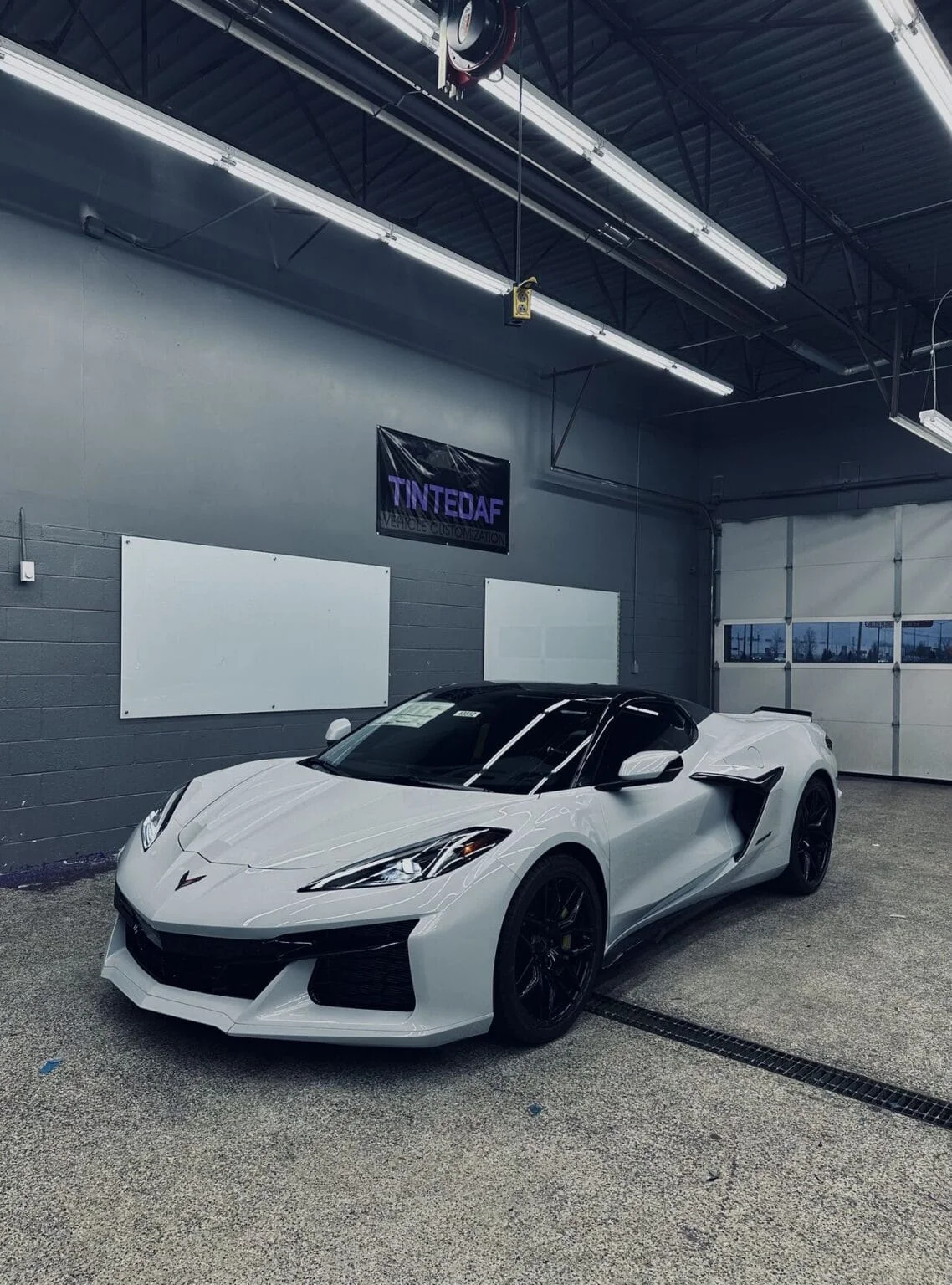
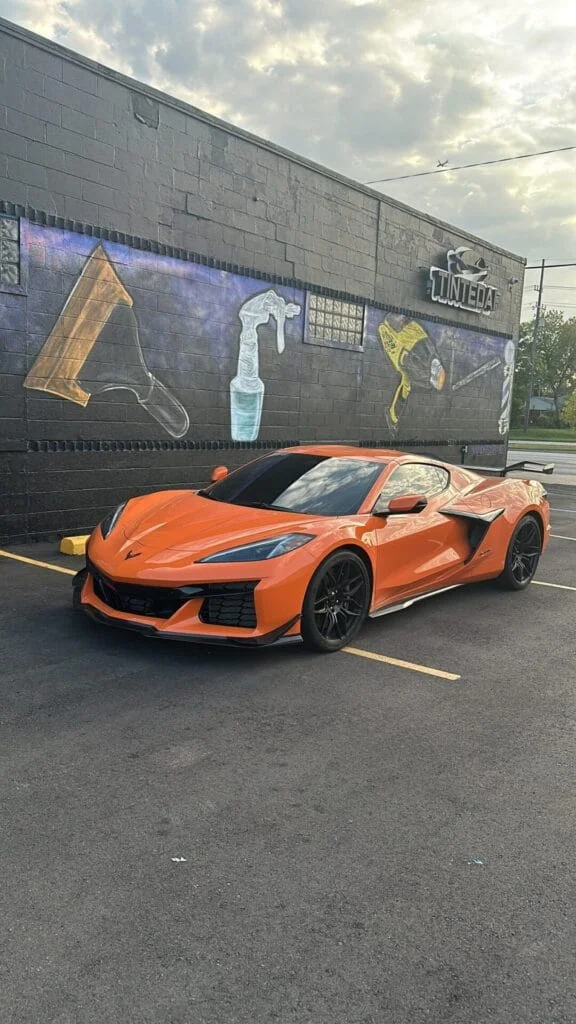
For complete exterior peace of mind, full vehicle coverage shields every painted exterior panel, protecting the hood, roof, doors, quarter panels, and rear bumper against parking lot dings, shopping cart impacts, and road debris.
The Multi-Stage PPF Installation Process
Achieving an imperceptible and long-lasting film installation requires thorough preparation and precision application techniques. Technicians execute a multi-phase preparation procedure to ensure the paint surface is completely decontaminated before any film touches the vehicle.
The vehicle undergoes intensive hand washing, chemical iron removal, and mechanical clay bar treatment to extract embedded environmental contaminants from the clear coat pores.
- 1Comprehensive multi-stage decontamination wash and clay bar surface preparation.
- 2Paint correction and machine polishing to eliminate pre-existing swirl marks and scratches.
- 3Computerized digital plotting of model-specific film templates with rolled-edge margins.
- 4Wet application using slip solution, precise squeegee alignment, and edge tucking.
After squeegeeing out all mounting fluid, technicians carefully inspect all body lines, wrapping film edges into panel seams wherever possible to ensure a virtually seamless and invisible finish.
PPF vs Traditional Waxes, Sealants, and Coatings
Vehicle owners frequently evaluate the protective capabilities of paint protection film compared to traditional automotive surface treatments like carnauba wax, synthetic paint sealants, and ceramic coatings.
Traditional automotive waxes and synthetic polymer sealants provide a temporary cosmetic gloss and light chemical resistance, but they offer zero structural resistance against flying rocks, gravel, or physical abrasion.
Ceramic coatings establish a hardened nano-ceramic layer that delivers exceptional hydrophobicity, UV defense, and ease of washing, yet they lack the physical thickness required to absorb kinetic stone impacts.
Paint protection film provides a robust, multi-mil polyurethane barrier specifically engineered to withstand high-velocity mechanical impacts. Combining PPF on high-impact zones with ceramic coating provides the optimal blend of impact resistance and surface slickness.
Maintaining and Preserving Paint Protection Film
Proper maintenance ensures that paint protection film retains its high optical transparency, self-healing capability, and stain-resistant qualities over many years of driving. Following simple washing guidelines prevents premature edge lifting and film marring.
Vehicle owners should avoid high-pressure wash nozzles placed directly against film edges or seam lines, as intense water pressure can force water beneath the polyurethane membrane.
- 1Allow the film to cure undisturbed for seven days before conducting the first vehicle wash.
- 2Wash using dedicated pH-neutral automotive shampoos and plush microfiber wash mitts.
- 3Avoid abrasive compound polishes, solvent-based cleaners, and petroleum-based waxes.
- 4Promptly remove insect splatter and bird droppings to prevent localized surface etching.
Pairing paint protection film with a ceramic coating or dedicated PPF sealant enhances the surface hydrophobicity, making dirt and road grime wash off effortlessly during regular maintenance routines.
Impact on Vehicle Resale Value and Paint Longevity
Original factory paint can never be replicated once damaged; aftermarket repainting rarely matches factory thickness, texture, and durability. Preserving the original factory clear coat is a primary factor in protecting long-term vehicle equity.
Rock chips, sandblasting, and winter salt corrosion noticeably degrade vehicle trade-in appraisals and private-party resale evaluations over three to five years of driving.
By keeping the underlying factory finish in pristine condition, paint protection film allows vehicle owners to preserve show-quality paint regardless of highway mileage.
When the vehicle is sold or returned at the end of a lease, the film can be cleanly removed by a professional, revealing flawless, unblemished factory paint that commands top market resale value.
Contact Us Today
Have questions or need emergency service? Reach out to our dedicated team anytime.
TINTEDAF
Fast, dependable support and honest pricing across our service area.
Frequently Asked Questions
Find clear, helpful answers to common questions regarding our process, pricing, equipment, and satisfaction guarantee.
1. How does paint protection film heal itself from surface scratches? The top elastomeric layer of the film flows and resets when exposed to heat from direct sunlight or warm water, causing fine surface scratches to disappear.
Related Articles
Protection Film in Dearborn Heights, MI for Tesla
Paint Protection Film in Dearborn Heights, MI for Tesla
Read Article →Protection Film in Dearborn Heights, MI for Exotic Cars
Paint Protection Film in Dearborn Heights, MI for Exotic Cars
Read Article →Protection Film in Dearborn Heights, MI for BMW
Paint Protection Film in Dearborn Heights, MI for BMW
Read Article →