CERAMIC COATING INSTALLATION IN CONCORD NC

Maintaining an immaculate automotive exterior in Concord, NC requires continuous defense against airborne industrial fallout, dense spring pine pollen, and harsh summer UV rays. Traditional carnauba waxes and synthetic sealants degrade rapidly under high humidity and highway road film, leaving clear coats exposed to etching and oxidation. Professional CERAMIC COATING INSTALLATION IN CONCORD NC establishes a permanent, molecularly bonded barrier that preserves showroom depth and repels environmental contaminants.
Ceramic coatings utilize liquid polymer formulations containing high concentrations of silicon dioxide (SiO2) that cure into a glass-like protective shell across painted surfaces. This ultra-dense layer produces extreme hydrophobic properties, forcing rainwater, road spray, and road oils to bead up and roll away without adhering to the clear coat. As a result, washing the vehicle requires significantly less physical agitation, virtually eliminating the primary cause of wash-induced swirl marks and spider webbing.
Applying a semi-permanent ceramic barrier also protects automotive paint from biological stains caused by tree sap, bug splatter, and bird droppings common along North Carolina parkways. Beyond rugged surface resilience, the coating creates unparalleled optical gloss, amplifying metallic flake and deepening solid colors with a radiant, wet look. Investing in professional installation ensures comprehensive surface decontamination and multi-year exterior defense.
Table of Contents
Jump directly to any section of this comprehensive service guide.
The Chemistry and Molecular Bonding of Liquid Ceramic Coatings
Understanding the science behind ceramic coatings reveals why they deliver vastly superior protection compared to conventional automotive waxes and paste sealants. Traditional waxes consist of organic carnauba or synthetic polymers that sit loosely on the surface of the clear coat, breaking down within weeks under heat, rain, and car wash detergents. In contrast, professional CERAMIC COATING INSTALLATION IN CONCORD NC utilizes liquid formulations containing high concentrations of purified silicon dioxide (SiO2) and titanium dioxide (TiO2).
When applied to a thoroughly prepped painted surface, the liquid coating penetrates the microscopic valleys, pores, and imperfections naturally present in automotive clear coat. A complex chemical cross-linking reaction takes place as the carrier solvents evaporate, causing the ceramic nanoparticles to cure and chemically bond to the underlying paint. This creates a semi-permanent, glass-like quartz layer that becomes an integrated physical extension of the factory finish.
This hardened quartz barrier exhibits remarkable chemical resistance, withstanding extreme pH levels ranging from acidic bird droppings and tree sap to alkaline road wash chemicals. While organic waxes quickly dissolve when exposed to harsh environmental fallout, a cured ceramic coating remains structurally intact across hundreds of wash cycles. This chemical resilience shields vulnerable clear coat from chemical etching and oxidation throughout the year.
Additionally, the cured ceramic matrix forms an exceptionally smooth, low-surface-energy barrier that produces extreme hydrophobic behavior. Water droplets cannot spread out across the slick surface; instead, they bead up into tight spheres and roll off, encapsulating surface dirt and grime along the way. Understanding this molecular chemistry explains why ceramic coatings maintain deep gloss and effortless cleanliness for years.
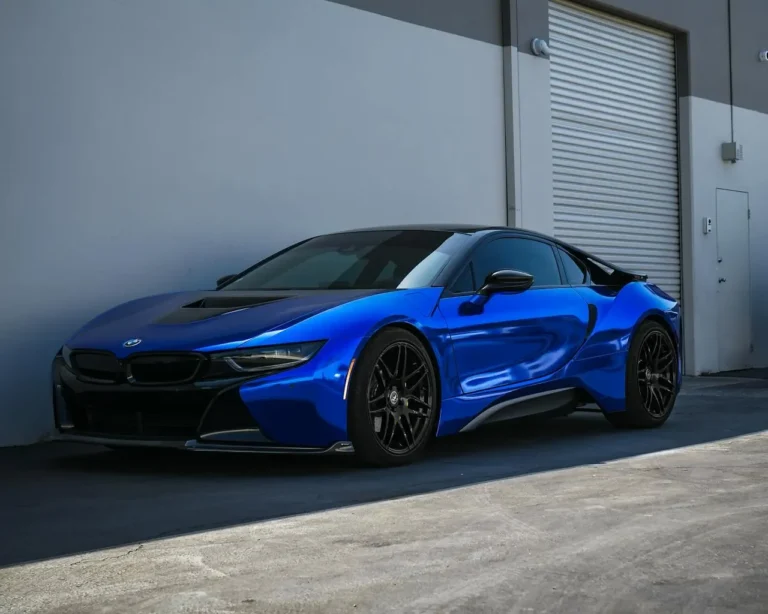
Comprehensive Multi-Stage Surface Decontamination and Prep
The durability and optical clarity of a ceramic coating depend entirely on the thoroughness of the surface preparation performed before coating application. Applying a ceramic coating over road contamination, brake dust, or mineral spots permanently seals those defects beneath an ultra-hard glass layer. In Concord, professional installation begins with an exhaustive multi-stage decontamination process to ensure an absolute clean bond.
- 1Chemical Iron and Fallout Dissolution: The exterior is treated with dedicated pH-neutral iron removers that chemically react with embedded brake dust and industrial rail dust, turning purple as contaminants dissolve safely from clear coat pores.
- 2Mechanical Clay Bar Treatment: Technicians glide synthetic automotive clay across all painted surfaces using specialized lubricating spray to shear off remaining bonded contaminants like tree sap mist, asphalt tar, and road grime.
- 3High-Pressure Foam Decontamination Wash: The vehicle is bathed in deep-cleaning alkaline foam shampoo to strip away road oils, previous wax residues, and loose particulate debris from panel seams and trim badges.
- 4Solvent Panel Wipe and Surface Degreasing: Every painted panel is meticulously wiped down with pure isopropyl alcohol or specialized panel prep solutions to remove any lingering polishing oils, leaving bare, virgin clear coat ready for ceramic bonding.
Skipping any part of this meticulous decontamination routine drastically compromises coating adhesion and shortens coating lifespan. Proper preparation ensures that the liquid ceramic polymers contact pure polyurethane clear coat, facilitating uniform cross-linking across every square inch of the vehicle. Thorough prep transforms the exterior into a pristine canvas, maximizing coating longevity and gloss.
The Professional Step-by-Step Coating Application Procedure
Applying a professional ceramic coating requires cleanroom environmental conditions, precise timing, and disciplined hand application techniques. A ceramic coating is not simply wiped on and washed off like a paste wax; it is a liquid quartz formulation that chemically cures across painted surfaces. Professional installers in Concord execute an exacting, multi-step application procedure to achieve a flawless finish.
- 1Final Solvent Surface Prep Wipedown: Technicians wipe down every painted panel with specialized isopropyl alcohol prep agents to remove lingering polishing lubricants, ensuring bare, virgin clear coat ready for molecular bonding.
- 2Cross-Hatch Liquid Coating Application: Using a specialized foam applicator block wrapped in lint-free microfiber suede, technicians apply several drops of liquid ceramic coating and spread it across a 2x2-foot panel section in overlapping cross-hatch strokes.
- 3Flashing Observation and Timing: Technicians carefully monitor the coating as carrier solvents evaporate, observing the visual rainbow flash that indicates the ceramic nanoparticles have bonded and are ready for leveling.
- 4Multi-Towel Leveling and Inspection: Technicians use a low-pile microfiber towel to gently level high spots, immediately followed by a plush high-pile microfiber towel to buff the surface to a deep, streak-free gloss under LED inspection lights.
Precise timing during the flashing phase is critical to coating success. If the coating is wiped too early, the ceramic layer will be removed before bonding; if left too long, the hardened quartz will create permanent high spots that require machine polishing to fix. Technicians adjust their wipe-off timing based on real-time ambient temperature and humidity in the shop.
Following application across all panels, the vehicle remains in a climate-controlled curing bay for initial hardening. Installers often utilize short-wave infrared curing lamps to bake the coating, accelerating cross-linking and achieving maximum hardness before the vehicle encounters outdoor weather. Meticulous application ensures a uniform, ultra-durable protective barrier that lasts for years.
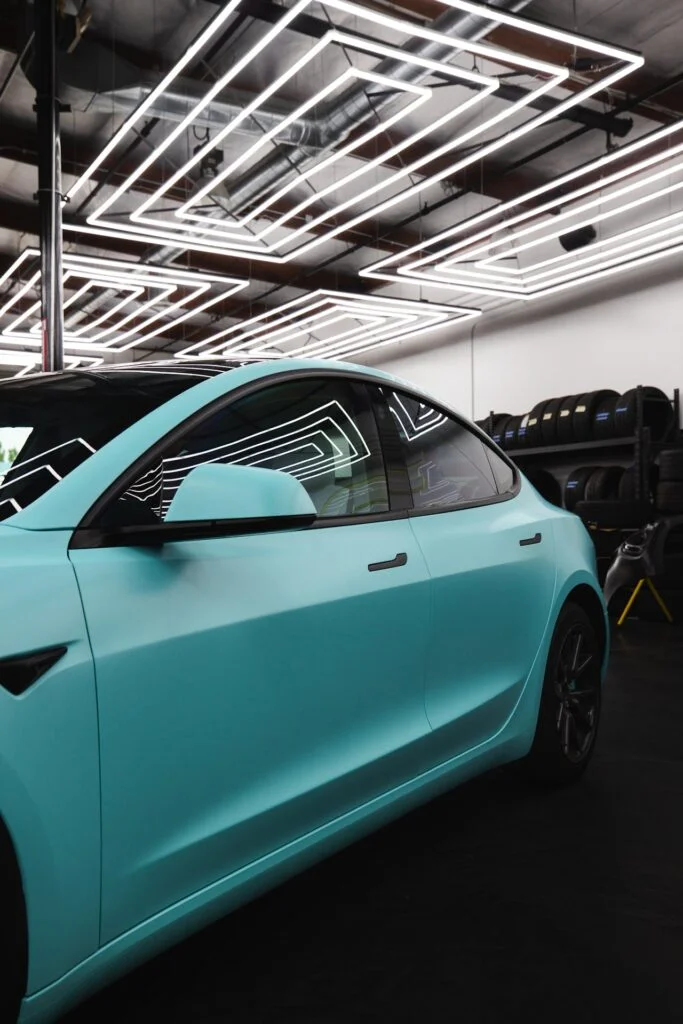
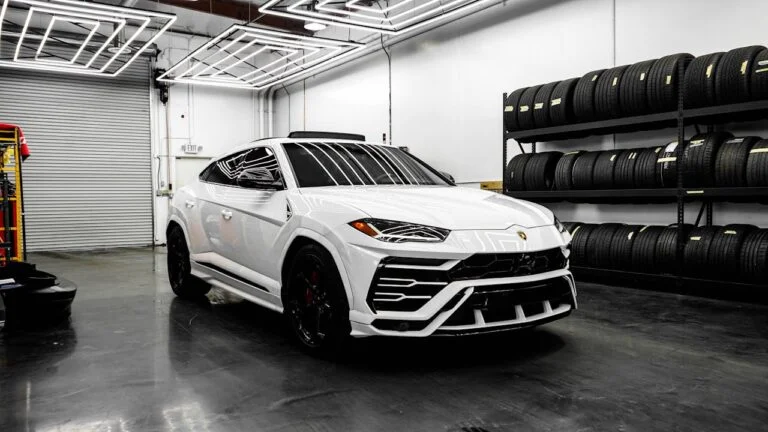
SiO2 Ceramic vs Graphene and Traditional Sealants
When selecting exterior surface protection in Concord, vehicle owners encounter several competing technologies: traditional synthetic sealants, silicon dioxide (SiO2) ceramic coatings, and graphene-infused formulations. Understanding how these chemical systems compare in terms of durability, chemical resistance, and hydrophobic performance helps drivers choose the optimal protection for their vehicle.
Traditional synthetic polymer sealants sit at the basic tier, consisting of petroleum-based polymers that bond electrostatically to clear coat. While sealants provide respectable gloss and basic water beading, they degrade within three to six months when exposed to high heat, road salt, and harsh car wash soaps. Sealants lack the physical hardness and chemical resilience required to defend against bird droppings and industrial fallout.
Professional SiO2 ceramic coatings represent a massive leap forward, forming a permanent, covalent molecular bond with clear coat pores. Cured SiO2 creates an ultra-dense, glass-like quartz matrix measuring between 9H and 10H on the pencil hardness scale. This hardened layer provides outstanding chemical resistance across a pH range of 2 to 12, easily deflecting acid rain, tree sap, and caustic road chemicals for three to five years or longer.
Graphene coatings introduce reduced graphene oxide nanosheets into the ceramic matrix to enhance thermal conductivity and lower water spot susceptibility. Because graphene dissipates surface heat rapidly, water droplets evaporate more slowly on hot panels, reducing the likelihood of etched mineral deposits on dark-colored vehicles. Combining high hydrophobic contact angles (over 110 degrees) with extreme slickness, both SiO2 and graphene coatings deliver vastly superior durability compared to obsolete waxes.
Concord Environmental Stresses: Pine Pollen, Humidity, and Sun
Maintaining a flawless automotive finish in Concord requires continuous defense against aggressive local environmental elements. The Piedmont region experiences distinct environmental stressors that degrade unprotected clear coats throughout the year. Understanding these local factors highlights why traditional waxes fail and why ceramic coatings provide superior protection.
Spring in Cabarrus County brings heavy pine pollen that coats vehicles in thick yellow dust. Pine pollen grains possess sharp, microscopic hooks and acidic resins that bond tightly to paint pores. When combined with morning dew and warm sunlight, pollen acids react with moisture to create corrosive compounds that etch deep into clear coats, leaving cloudy spots that resist ordinary washing.
Summer brings prolonged periods of intense ultraviolet radiation and high humidity. UV rays cause photochemical degradation of clear coat polymers, causing vibrant factory paints to oxidize, fade, and turn chalky over time. In addition, high humidity and sudden afternoon rainstorms leave mineral-laden water droplets on hot panels, leading to baked-on water spots that can permanently damage paintwork.
A professional ceramic coating forms an impervious, glass-like quartz barrier that shields clear coats from these destructive environmental factors. The dense SiO2 layer resists chemical etching from pine pollen and bird droppings while powerful UV blockers prevent paint oxidation. Investing in ceramic protection ensures your vehicle maintains a brilliant, mirror-like finish through all seasons in Concord.
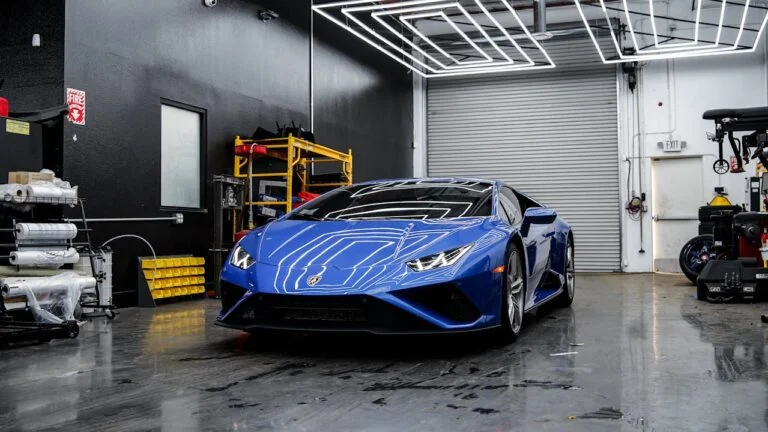
Curing Timelines and Proper Touchless Maintenance Routines
Maximizing the longevity and hydrophobic performance of a ceramic coating requires following proper post-installation curing protocols and adopting gentle maintenance routines. While short-wave infrared curing lamps harden the coating significantly before delivery, the ceramic matrix continues to cross-link over several days. Understanding these initial care requirements ensures optimal durability.
Vehicle owners must avoid washing the car with soap or exposing it to harsh chemicals for the first seven days following installation. During this initial curing window, the ceramic polymers achieve full molecular hardness and chemical resistance. If the vehicle gets caught in rain, gently dry it with a clean, plush microfiber towel or rinse it with clean water to prevent mineral spots from forming during curing.
Once fully cured, washing the vehicle is dramatically easier thanks to the coating's extreme hydrophobic slickness. Adopt a two-bucket hand-washing method using a dedicated wash mitt and pH-neutral automotive shampoo, or utilize touchless pressure-washing techniques. Never take a ceramic-coated vehicle through automated car washes with spinning brushes, as abrasive bristles will cause micro-marring and dull the coating's gloss over time.
Additionally, applying a ceramic boost spray or silica sealant every three to six months rejuvenates the coating's hydrophobic properties and sacrificial top layer. Boost sprays replenish slickness and enhance water beading, ensuring water and road grime continue to roll away effortlessly. Adhering to these simple maintenance practices keeps your ceramic coating performing at its peak for years.
Showroom Depth, Hydrophobic Protection, and Resale Appeal
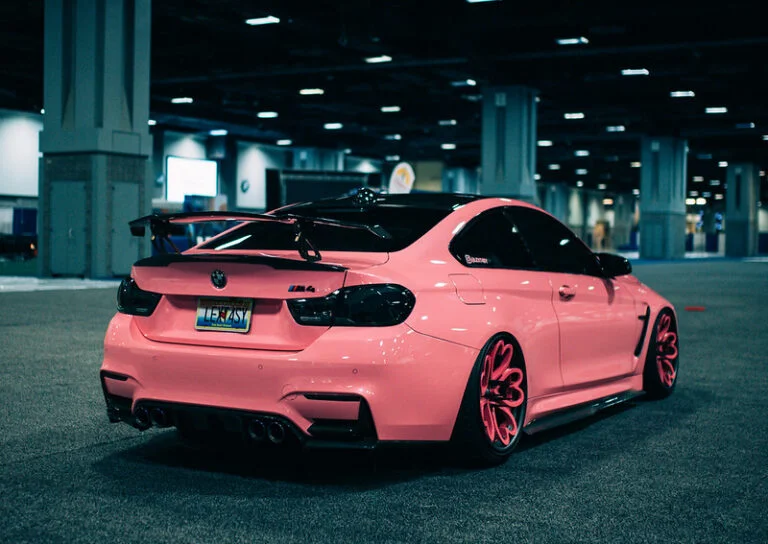
Investing in professional ceramic coating installation delivers exceptional visual depth, effortless maintenance, and enduring financial value. For automotive enthusiasts and discerning vehicle owners in Concord, nothing compares to the deep, liquid-like gloss produced by a properly leveled and coated exterior. The ultra-smooth quartz layer amplifies light reflection, showcasing the metallic flake and rich pigment of factory paintwork.
The primary functional benefit of a ceramic coating is its extreme hydrophobicity, which produces self-cleaning behavior during daily driving. Rainwater beads into nearly spherical droplets that capture surface dust and road grime, rolling off panels under highway wind speeds. Routine washing requires minimal physical scrubbing, virtually eliminating the primary cause of wash-induced swirl marks and spider webbing.
From an investment standpoint, maintaining pristine, swirl-free paintwork preserves thousands of dollars in vehicle equity. When trading in or selling a vehicle privately, prospective buyers and dealerships immediately notice an immaculate exterior that reflects careful ownership. Vehicles with showroom-grade paint command premium appraisals and sell faster in the competitive regional market.
Ultimately, a professional ceramic coating transforms your relationship with your vehicle, keeping it cleaner with significantly less effort while defending against harsh Carolina elements. You enjoy the pride of driving a vehicle with deep, glass-like shine every day of the year. Quality ceramic protection represents the ultimate long-term investment in automotive beauty and exterior preservation.
Contact Us Today
Have questions or need emergency service? Reach out to our dedicated team anytime.
Infinite Auto Works
Fast, dependable support and honest pricing across our service area.
Frequently Asked Questions
Find clear, helpful answers to common questions regarding our process, pricing, equipment, and satisfaction guarantee.